Hip Hop Hub Network
Hip Hop Hub Network: Welcome to the ultimate destination for hip hop artists, producers, and enthusiasts! Join our vibrant community to connect, collaborate, and elevate your craft. Whether you're looking to showcase your music, learn new skills, or network with industry professionals, the Hip Hop Hub Network has something for everyone. Get involved in events, workshops, and discussions that celebrate the culture and creativity of hip hop!
Powered by


The music industry is changing, and independent artists need to pay attention.
Major record labels have long been viewed as the ultimate destination for artists seeking success. For decades, getting signed to a major label was considered the dream — the moment when an artist finally had access to the money, marketing, connections, and resources needed to become a star.
But what happens when the executives who believed in you are gone? What happens when corporate restructuring, budget cuts, or changes in leadership affect the very people responsible for supporting your career?
That is the reality artists must begin preparing for.
When the people behind your career disappear
Recent discussions about leadership changes and budget cuts at major record companies have raised an important question about the future of artist development.
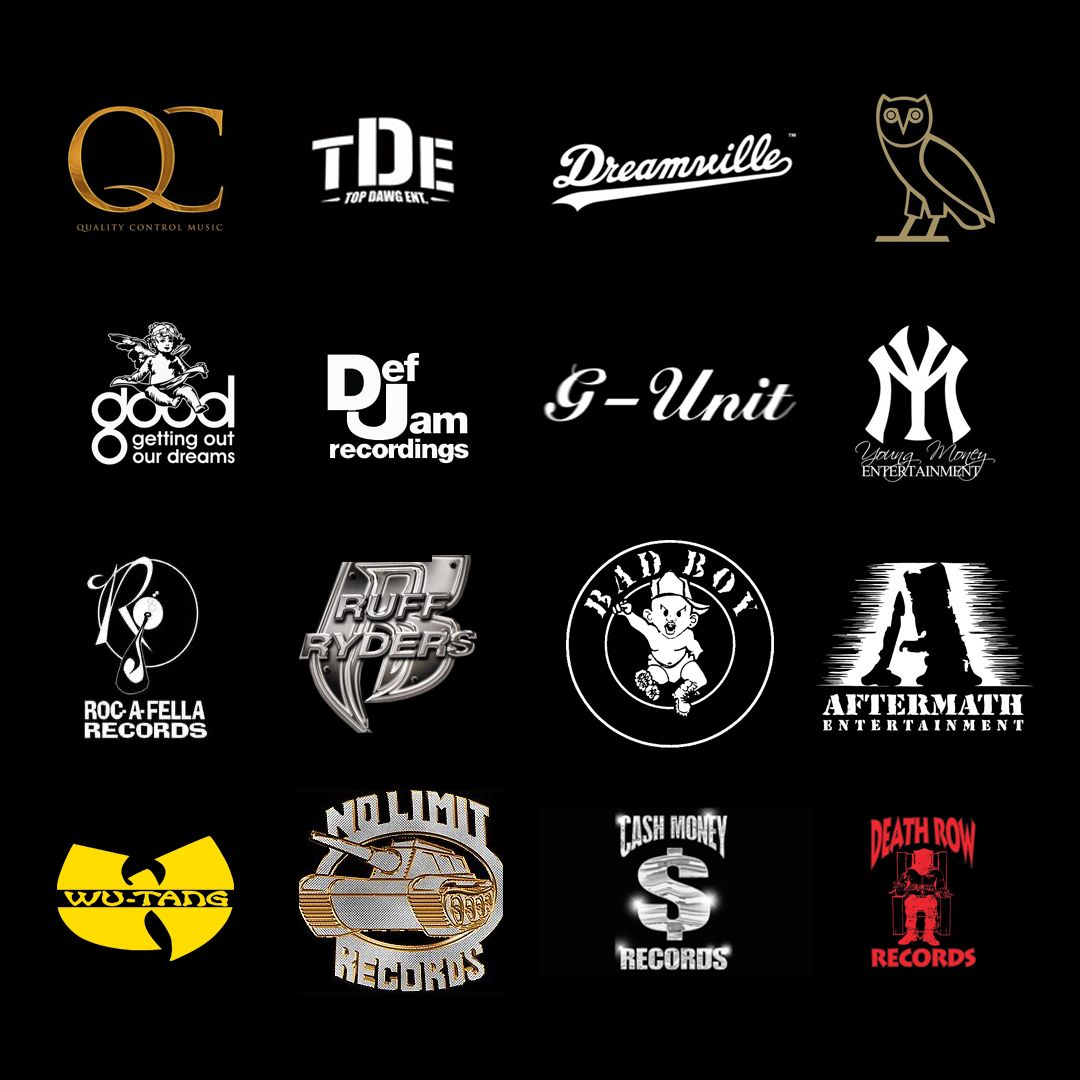
Tunji Balogun's reported departure from Def Jam Recordings is a reminder of how much the music business depends on relationships, leadership, and the people who advocate for artists behind closed doors.
Executives who understand particular cultures and musical movements can play an important role in connecting artists with international audiences. When those executives leave, artists may find themselves navigating a completely different corporate environment.
This is especially important for African artists seeking to expand their influence in Western markets. Building those connections takes more than creating great music. It requires strategic partnerships, cultural understanding, marketing, distribution, and people who know how to turn an artist's potential into sustainable business opportunities.
But here is the bigger issue: What happens when your entire career depends on someone else's position inside a corporation?
That is a question every artist, manager, and independent music entrepreneur should be asking.
A record deal is not a business plan
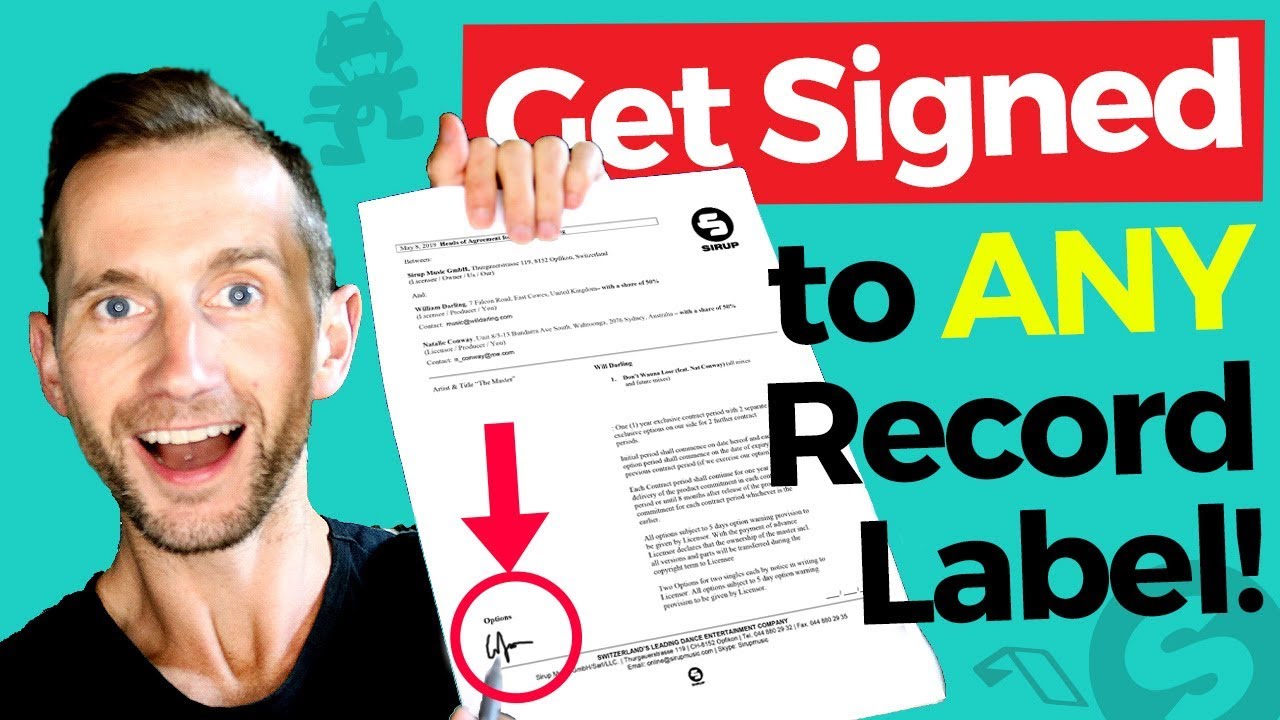
One of the biggest mistakes artists make is believing that signing a record deal means they have finally made it.
A deal can provide resources, distribution, promotion, and valuable industry connections. However, it does not automatically guarantee long-term success, financial security, or creative freedom.
Record labels are businesses. Their strategies can change. Budgets can shrink. Executives can leave. Projects can lose priority when corporate objectives shift.
An artist who depends entirely on a label to manage every aspect of their career may have very little control when those changes happen.
Getting signed should never mean giving up responsibility for your own future.
Artists need to understand their contracts, own and protect the assets they can, monitor their revenue, build direct relationships with their audiences, and develop a team that understands both the creative and commercial sides of the business.
The goal should not simply be to get a record deal. The goal should be to build a career that can survive whether a record deal exists or not.
Stop outsourcing your advocacy
If one executive is the only person fighting for your music, your career is vulnerable.
Artists need managers who understand business, entertainment attorneys who protect their interests, accountants who understand music revenue, marketing professionals who can build audiences, and strategic partners who are invested in long-term development.
These people should not simply agree with everything an artist says. They should challenge bad decisions, identify opportunities, protect assets, and help create a sustainable business.
Your team should understand the difference between generating attention and building wealth.
A viral song is not necessarily a sustainable career. A large following does not automatically translate into ownership. And a major-label partnership does not guarantee that an artist will retain control of their most valuable assets.
Artists must begin thinking like business owners, not just performers.
Why don't we build our own music industry?
This is where I believe the conversation needs to go further.
Instead of constantly asking how we can gain access to an industry controlled by established corporations, why aren't we putting more energy into building companies of our own?
Why can't we develop independent record labels, artist-management firms, music-publishing companies, distribution networks, marketing agencies, and investment structures designed to help emerging talent succeed?
Why should every promising artist have to depend on a handful of corporate decision-makers before they can access the resources needed to grow?
We have talented artists, producers, songwriters, engineers, managers, entrepreneurs, and creative thinkers. What we need is a stronger infrastructure that connects these people and allows them to build sustainable businesses together.
This isn't about rejecting every major label or pretending that independent companies can accomplish everything overnight. Major labels can provide valuable resources and reach.
The real issue is creating alternatives.
Artists should have options. Entrepreneurs should have opportunities to build competitive companies. And the next generation should have access to a music ecosystem where success doesn't depend on getting one powerful person to believe in them.
We need to stop focusing exclusively on getting inside somebody else's building and start building businesses of our own.
The blueprint for a new music industry
Building a new music industry requires more than passion, social-media posts, or promises of change. It requires a practical business model.
That means developing a system that connects talent discovery, artist development, music production, distribution, marketing, publishing, technology, and financial management.
It means creating opportunities for new companies to grow alongside new stars.
It means teaching artists how their businesses work before they sign away valuable rights. It means helping managers become better business leaders and giving independent entrepreneurs access to the tools and partnerships they need to compete.
Most importantly, it means creating a culture in which success is measured not only by how many artists become famous, but also by how many businesses survive, how many people gain ownership, and how much long-term value stays within the creative community.
I believe we need to start having these conversations seriously.
I am interested in exploring what it would take to build a new music industry — one that creates new companies, develops new talent, and gives creatives a stronger stake in the businesses they help build.
I have a blueprint for this vision, and I want to see who is genuinely willing to think beyond the existing system and help turn new ideas into real opportunities.
This isn't about talking for the sake of talking. It's about building.
The future belongs to prepared artists
The music business will continue to evolve. Companies will restructure, executives will move on, and new technologies will change how music is created, distributed, marketed, and monetized.
Artists cannot control every change in the industry. But they can prepare for it.
Build your team. Understand your contracts. Protect your assets. Learn the business behind your music. Develop relationships beyond one executive or one label. Create revenue streams that give you more control over your future.
And if you're an entrepreneur, don't just look for opportunities to work inside the existing system. Consider what you can build that gives artists and other entrepreneurs more choices.
The next era of music should not be defined only by who gets signed. It should also be defined by who builds, who owns, and who creates lasting opportunities for others.
My question is simple: Are we going to keep waiting for the music industry to change for us, or are we finally ready to build something of our own?
I'm ready to have that conversation. More importantly, I'm ready to explore what it will take to turn that vision into reality.
Because the real power isn't just in creating the next star.
It's in building an industry capable of creating the next thousand.
Related Blogs
View All