Hip Hop Hub Network
Hip Hop Hub Network: Welcome to the ultimate destination for hip hop artists, producers, and enthusiasts! Join our vibrant community to connect, collaborate, and elevate your craft. Whether you're looking to showcase your music, learn new skills, or network with industry professionals, the Hip Hop Hub Network has something for everyone. Get involved in events, workshops, and discussions that celebrate the culture and creativity of hip hop!
Powered by



Let me explain what I mean…
I want to ask the music industry a question that might make some people uncomfortable.
Are we so in love with the music business that we refuse to admit how much the system can hurt us?
I've been thinking about this for a long time. I'm DJ Franchise, founder of SugarWaterRadio and Music Real Estate. I've spent 19 years building in the music game, working around radio, supporting independent artists, and watching people chase the same dream I once chased.
And I've learned something along the way: sometimes, the thing we love the most can also be the thing that keeps us trapped.
Before anybody takes this the wrong way, let me explain.
I'm not saying loving music is a sickness. Music has saved lives, brought people together, created opportunities, and given people a reason to keep going when life gets hard.
I'm talking about something different.
I'm talking about what happens when our love for music becomes so powerful that we keep chasing approval from an industry that may never give us the opportunity we believe we've earned.
The addiction isn't the music. It's the dream we keep chasing.
Think about someone struggling with addiction. One of the hardest steps toward recovery is admitting that something has taken control of their life.
Now think about the independent artist who spends years trying to get signed.
They pay for studio time. They buy beats. They pay for videos. They spend money promoting their records. They send music to DJs, labels, radio stations, managers, and people who promise they can help.
Sometimes they get results. Sometimes they get ignored. Sometimes they spend money and receive nothing meaningful in return.
But they keep going.
Why?
Because they believe the next song might be the one. The next connection might be the one. The next meeting might finally open the door.
And I understand that feeling because I've lived in this music business myself.
But at what point do we stop and ask ourselves whether we're building a career or simply chasing somebody else's approval?
How many years should an artist spend waiting for permission to become successful?
That's the question I want people to think about.
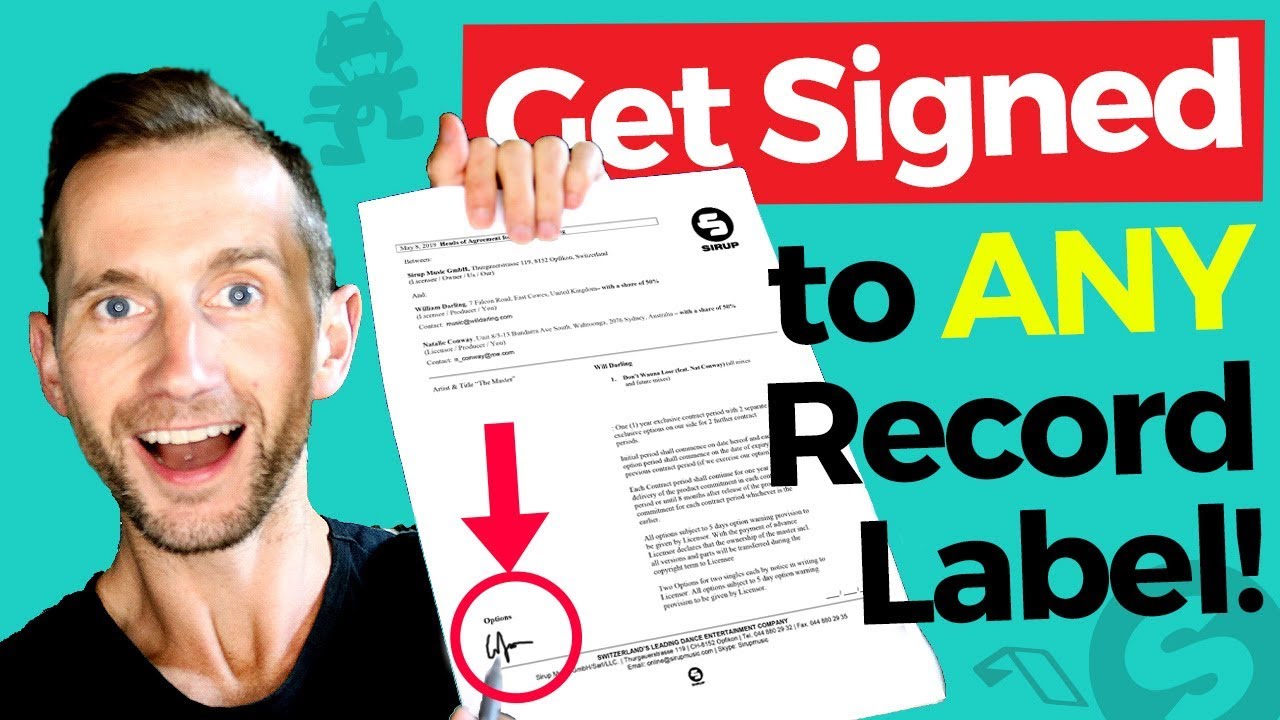
Why do we keep chasing the record deal?
Let's be honest. Many independent artists still believe that getting signed to a major record label is the ultimate achievement.
For some artists, a record deal can provide valuable funding, professional support, marketing, distribution, and industry connections. The right deal can help move a career forward.
But a deal is not automatically a guarantee of success.
Artists need to understand what they're signing, what rights they're giving up, how revenue is divided, what the label is actually promising to provide, and whether the agreement supports their long-term goals.
So why do so many artists feel that signing a deal is the only way to make it?
One reason is access.
Getting music onto major radio stations, securing significant promotional support, reaching influential decision-makers, and competing for attention can be difficult without money or established relationships. Industry research and commentary continue to examine how gatekeepers influence who gets heard.
That doesn't mean every label, station, or industry professional is working against independent artists. It means we should ask whether opportunities are accessible, whether decisions are transparent, and whether artists understand the business they're trying to enter.
If an artist believes a record deal is the only road to success, they may spend years chasing it without exploring other ways to build an audience and own their future.
The question isn't whether you should get a record deal. The question is whether you believe you can succeed without one.
What happens when the system becomes more important than the artist?
Here's where I want to go deeper.
Imagine spending your entire life trying to get your music heard, only to discover that talent is just one part of the equation.
You may also need money, marketing, connections, timing, a strong team, and access to people who can help your record reach listeners.
That can be a difficult reality to accept.
When artists repeatedly see records receiving major exposure while their own music struggles to get attention, they begin asking questions.
Who decides what gets played?
Who decides which artists receive promotional support?
How much does an artist's talent matter compared with their budget and connections?
Are listeners discovering music naturally, or are business and marketing decisions influencing what reaches them?
These are fair questions. They deserve honest answers supported by evidence rather than assumptions.
Radio stations, labels, streaming platforms, promoters, and independent music companies all play different roles in how music reaches the public. Each has its own business model, priorities, and selection process.
But if artists don't understand those systems, they can spend years blaming themselves for problems they don't fully understand.
And that's why education matters.
My experience building SugarWaterRadio
I didn't create SugarWaterRadio because I wanted to spend my life watching independent artists struggle for attention.
I wanted to build something different.
For 19 years, I've been part of the independent radio world. I watched the business change, watched technology open new doors, and watched artists continue to struggle with getting their music heard.
I've also experienced the disappointment, the challenges, and the realities that come with trying to build something outside the traditional system.
That's part of why I created Music Real Estate.
I wanted to help artists understand the opportunities available to them and find ways to get their music in front of people. I believe independent artists need more than motivation. They need information, strategy, exposure, and people who understand the business.
I'm not here to tell every artist to reject record labels or stop pursuing radio.
I'm asking artists to stop believing that one company, one person, one station, or one deal has to determine their entire future.
Build your own audience. Learn how publishing and recording rights work. Understand your distribution options. Build relationships with independent media. Research promotional services before spending money. Keep track of your investments and make decisions based on what you're actually receiving in return.
Don't just chase the dream.
Build a business around the dream.
Are we afraid to admit the truth?
This is the part I really want people to discuss.
Sometimes, we defend the very systems that frustrate us because we've invested so much of our lives trying to succeed within them.
If we've spent ten years chasing a record deal, it can be painful to consider that there may be other paths.
If we've spent thousands of dollars chasing radio exposure, it can be difficult to question whether the opportunities we've purchased were worth the investment.
If we've built our identity around becoming the next big artist, walking away from that dream can feel like admitting defeat.
But questioning your strategy doesn't mean giving up on music.
It means being willing to change direction when something isn't working.
There's a difference between persistence and refusing to reconsider your options.
There's a difference between believing in your talent and believing that someone else must validate it before it has value.
And there's a difference between loving music and allowing the pursuit of success to consume everything else in your life.
I want artists to succeed. But I also want them to protect their money, their creativity, their rights, their time, and their belief in themselves.
So, are we addicted to the music game?
That's the question I'm putting on the table.
Maybe the real problem isn't that we love music too much.
Maybe it's that we've been taught to measure success through a narrow set of achievements: the record deal, the major radio spin, the co-sign from a famous artist, the big label meeting, or the moment somebody important finally says we're good enough.
What if success could mean something different?
What if success meant owning your masters, building a loyal audience, earning money from your music, performing for people who genuinely support you, or creating a company that gives other artists opportunities?
What if an independent artist could build a meaningful career without waiting for a major label to choose them?
And what if the industry became healthier because artists learned to ask better questions before investing their money and their lives into it?
I don't have every answer. But after 19 years in this business, I believe these conversations need to happen.
I'm sharing my perspective because I want to hear yours.
NOW IT'S YOUR TURN — LET'S TALK ABOUT IT!

I want honest opinions from independent artists, singers, rappers, producers, DJs, managers, record-label owners, and music fans.
You don't have to agree with me. In fact, I want to hear different points of view.
What do YOU think?
Choose the questions that speak to you, then share your opinion. This won't publish a comment automatically.
Let's keep this conversation respectful, real, and open. Share this blog with an artist who needs to hear it. Let's talk about the business behind the music — and how we can make it better.
Written by DJ Franchise | SugarWaterRadio & Music Real Estate | Street Banned Music
Related Blogs
View All